Back to the blog
November 4th, 2025
Texas Hold'em Rules: How to Play This Poker Variation?
What is Texas Hold'em poker?
The Texas Hold'em is one of the Most Popular Poker Variants, whether in land-based or online casinos. Its success is based on a perfect balance between simplicity of rules
and strategic depth.
Each player is dealt two personal cards (hole cards) and must make the best possible hand by combining them with five community cards placed in the center of the table.
With multiple rounds of betting and freedom of action (bet, call, raise, or fold), Texas Hold'em demands reflection and strategy.
The basic rules of Texas Hold'em
A game of Texas Hold'em always takes place according to the same principle:
Each player receives two face down cards. Five community cards are then placed in the center of the table. Between each stage, players can bet, call, raise, or fold.
To continue playing, each participant must have bet the same amount of chips than his opponents. In the end, the best five-card hand wins the pot. The objective is to use the right combination between your hole cards and the community cards to beat opponents.
How a round of Texas Hold’em works
Poker Texas Hold'em follows a precise structure composed of several phases:
1. The blinds
Before the cards are dealt, two players place mandatory bets: the one to the left of the button places the small blind, and the next player places the big blind. This helps to create a starting pot and prevent everyone from folding immediately.
2. Card distribution
Each player starts the game with two hole cards. Dealt clockwise, we start with the player to the left of the big blind. The cards are only visible to the player and are used to make up their final hand.
3. The pre-flop
After receiving their two cards, players make their decision based on the big blind already laid. Everyone can follow, revive or lie down depending on the strength of his hand and the strategy chosen. The action begins with the player to the left of the big blind, then continues clockwise. Once the first round is over, the chips are collected in the pot and the flop is made.
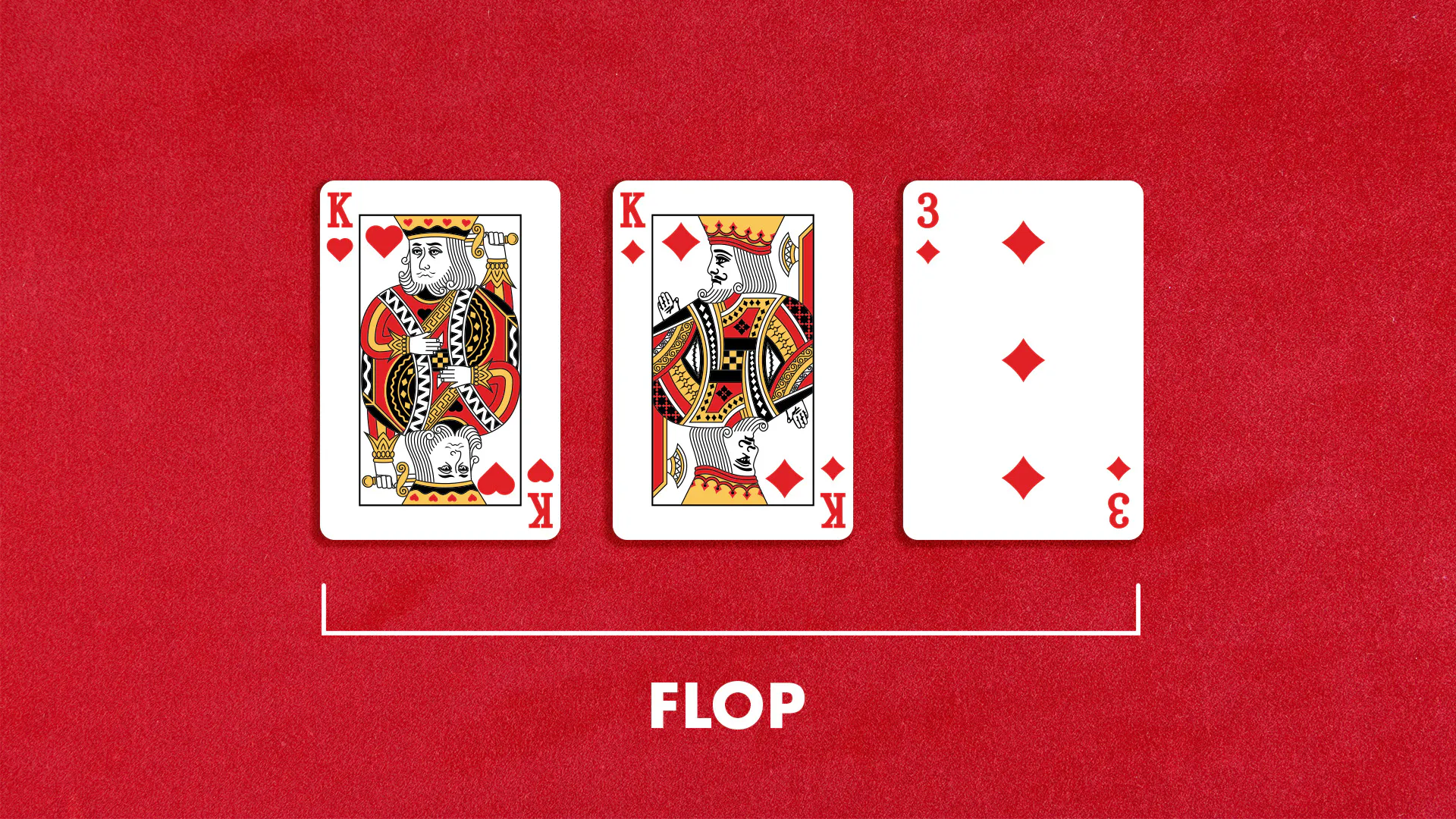
4. The flop
Three community cards are unveiled in the center of the table. Each player still in play can combine them with their private cards to strengthen or reassess their hand. A new betting round begins, with the possibility to check (if no bet has been made), bet, call, raise or fold depending on the situation and the reading of the opponents.
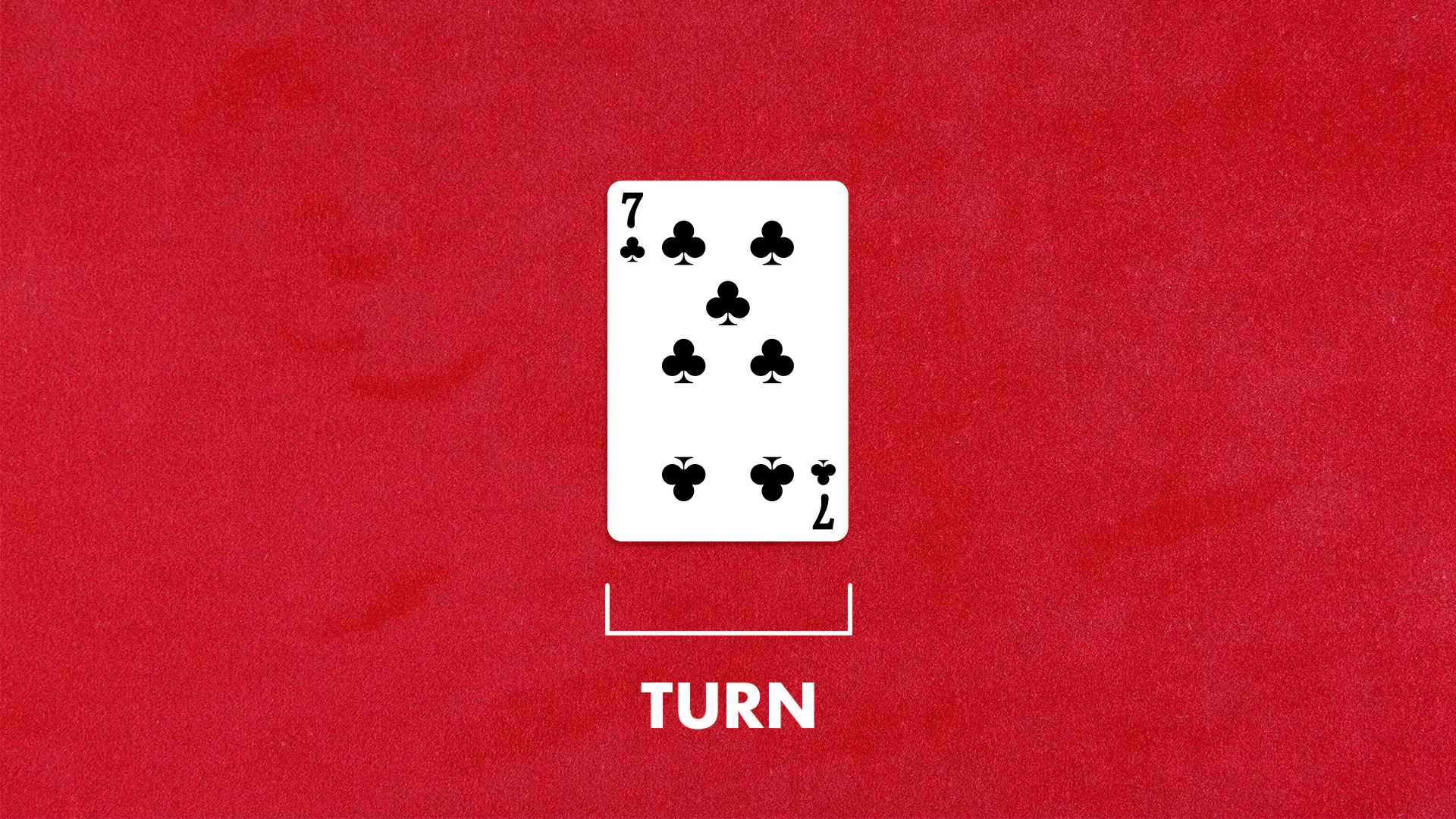
5. The turn
It is the fourth community card unveiled in the center of the table. Players still in play reassess the strength of their hands and a new round of betting opens. Depending on the situation, everyone can check if no bet has been made, bet, call, raise or fold.
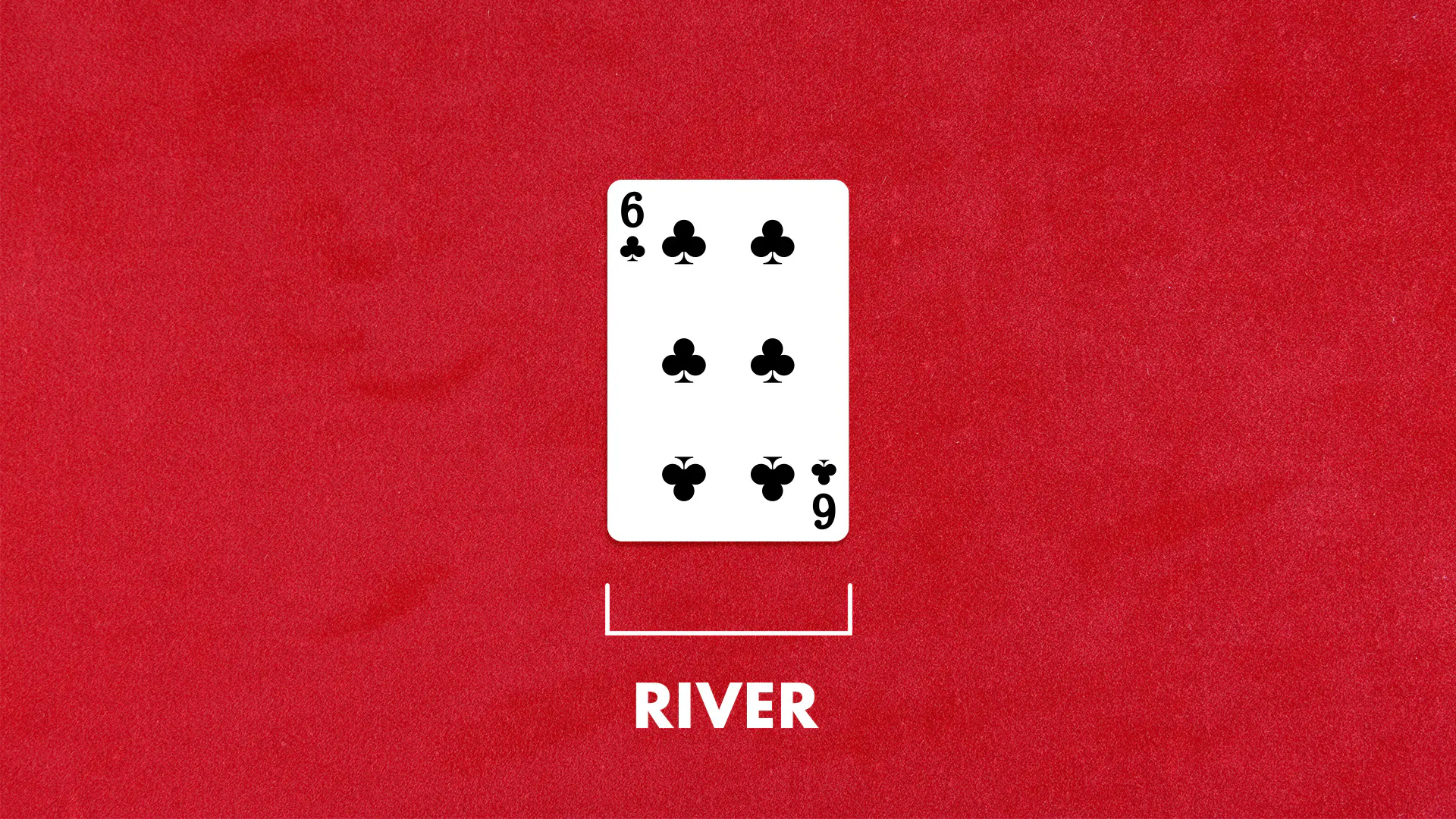
6. The river
The fifth and final community card is revealed.
Players now have all possible cards to form their final hand. A final round of betting begins: depending on the situation, everyone can check, bet, call, raise or fold. This is the stage where every decision can tip the pot.
7. Show down
If there are several players left after the last round of betting, each player reveals his hole cards.
The best hand, formed from personal cards and community cards, wins the pot. In the event of a perfect tie between two or more players, the winnings are shared equally.
The different betting structures
Texas Hold'em comes in several formats, each influencing the style of play:
● Limit Texas Hold'em: bets are fixed and predetermined, and each player can bet up to four times for each betting round.
● Pot Limit Texas Hold'em: the minimum bet is the same size as the big blind, and the maximum is the total amount in the pot.
● No Limit Texas Hold'em: players can bet up to all of their chips. The maximum raise corresponds to the size of the stack, i.e. the chips on the table.
● Mixed Texas Hold'em: in this game, there is an alternation of rounds in Limit Hold'em and No Limit Hold'em.
Texas Hold'em Hand Rankings
Texas Hold'em uses the classic poker hand rankings:
- Royal flush: 10, Jack, Queen, King and Ace of the same suit.
- Flush: five cards in a row and of the same suit.
- Square: four identical cards.
- Full: three of a kind and a pair
- Color: five cards of the same suit.
- Suite: five cards in a row, of different suits.
- Set: three cards of the same value.
- Two pairs: two combinations of two identical cards.
- Pair: Two identical cards.
- High card: no combination; The highest card determines the winner.
The different hand combinations in Texas Hold'em
Some initial hands offer more chances to be played:
● AA, KK: the highest cards, often winning.
● QQ, JJ: they are also powerful, but more vulnerable depending on the flop.
● Small Pairs (22–99): these are played in hopes of hitting a hidden set.
● Assorted connectors: they concern cards with numbers that follow each other and of the same suit, ideal for forming straights or flushes.
● Assorted aces: they allow you to form straights, aim for the max flush, and block certain opponent's draws.
Play Texas Hold'em Online in Belgium
To play online poker legally, choose a platform approved by the Belgian Gaming Commission like Circus Casino.
You will find parts of Texas Hold'em like Texas Hold'em Plus, in a secure and responsible framework, with tools to set your gaming limits.
In short
The Texas Hold'em is the most played poker variant, perfect for beginners and experienced players alike. By mastering its simple rules and developing a good strategy, you will be able to progress quickly.
Play with discipline, watch your opponents and enjoy online poker in Belgium on a platform that is approved like Circus Casino, for a safe and responsible experience.
FAQ – Poker Texas Hold’em
Texas Hold'em is played with two personal cards and five community cards, while Omaha, for example, uses four hole cards.
From 2 to 10 players depending on the format. The two-player game (heads-up) is faster and more dynamic.